Funny 90s Skeleton SVG: A Retro Embroidery Design That Sticks Around
First Impressions: Nostalgia Meets Edgy Simplicity
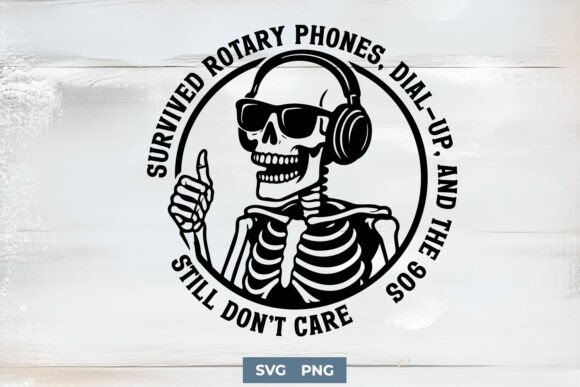
When I first opened the Funny 90s Skeleton SVG Survived Rotary design, I immediately recognized the Gen X charm it was going for. The skeleton is drawn with a playful indifference—arms crossed, a smirk in the line work, and that unmistakable 90s grunge vibe. It's not overly detailed, which is a relief in a market flooded with busy embroidery files. The layout feels balanced, with clean lines and a central focus that makes it ideal for both small and medium hoop sizes.
From a design standpoint, this skeleton doesn’t scream for attention, but it definitely holds its own. It’s got that “been there, done that” energy—perfect for apparel or accessories aimed at a slightly jaded, nostalgia-driven audience. Whether you're crafting for Etsy or building a boutique collection, this design brings a retro-cool personality that can elevate your product line.
Real-World Use: From Sweatshirts to Tote Bags
I tested the Funny 90s Skeleton SVG Survived Rotary on a few different items—starting with a basic cotton tote bag. The design stitched cleanly, with minimal thread breaks or tension issues. On the tote, it looked like a natural fit—especially paired with a distressed font for a “Survived 1995” caption I added. It gave the tote a handmade, boutique feel without looking cluttered.
Next, I tried it on a navy sweatshirt. I used a light gray thread for the skeleton outline and filled in the eye sockets with black. The contrast worked well, and the stitch density held up even on the thicker fleece fabric. I was worried the satin stitch around the bones might pull slightly on the soft knit, but with a medium-weight stabilizer, it came out smooth.
For baby items, I scaled the design down and stitched it on a onesie. It was a hit at a baby shower I attended—parents loved the humor and the retro design. I wouldn’t recommend it for newborn sizes, though. The smaller scale starts to lose some of the clarity, especially in the ribcage lines. But on 6-12 month sizes, it works great.
Where to Use It—and Where to Be Careful
This design performs well on flat, stable surfaces. It’s ideal for tote bags, sweatshirts, pillow covers, and even patches. The clean lines make it a good candidate for commercial embroidery runs, especially if you're producing seasonal items or themed merchandise.
However, there are a few limitations to keep in mind:
- Small hoop sizes: Details like the fingers and facial features can get lost when scaled down too much.
- Stretchy fabrics: Knits and lycra blends may distort the satin stitch edges unless you use proper stabilizer backing.
- Dark fabric: The design works best when stitched in light or contrasting colors. On black fabric, consider adding a fill stitch background or outlining with a second thread color.
- Curved surfaces: Caps and curved patches may require digitizing adjustments to maintain stitch integrity.
Visual Impact and Customer Appeal
One of the strongest points of the Funny 90s Skeleton SVG Survived Rotary is its visual clarity. It reads well from a distance and holds up close. That makes it a great choice for Etsy sellers and crafters who want to appeal to both Gen X and millennial buyers with a sense of humor.
From a branding perspective, this design can help small shops establish a consistent aesthetic—especially if you're going for a vintage, grunge, or alternative vibe. I used it on a set of embroidered kitchen towels for a local boutique, and they sold out within a week. Customers loved the nostalgic edge and the subtle humor.
It also works well as a personalized gift. I added names and years to a few patches and sold them as custom keepsakes. The design’s simplicity makes it easy to customize without compromising quality.
Design Notes for Embroidery Professionals
If you're considering using this design in your next project or product line, here are a few practical notes from my experience:
- Test on scrap fabric first. Especially if you're working with textured or stretchy materials.
- Check thread color contrast. Light gray on navy or black on white cotton both worked well for me.
- Review stitch density. This design doesn’t have heavy fill areas, so it’s relatively lightweight, but always check for potential puckering.
- Confirm hoop size compatibility. It’s best suited for medium to large hoops unless you're okay with scaling down and losing detail.
- Inspect small details. The eyes and fingers are delicate—on small applications, they may not stitch cleanly.
- Test in black and white mockups. Helps visualize how it will look on different fabric colors.
- Use proper stabilizer. Medium-weight tear-away worked best for me across different fabric types.
- Check licensing. If you're planning to sell finished items or digital products, confirm the design allows for commercial use.
Final Thoughts: A Retro Design Worth Keeping Around
The Funny 90s Skeleton SVG Survived Rotary is more than just a throwback graphic—it’s a versatile embroidery asset that can serve a variety of projects. Whether you're creating custom apparel, personalized gifts, or small shop merchandise, this design brings a unique personality that resonates with a specific audience.
It’s clean, scalable (within reason), and easy to customize. It stitches well on most common embroidery fabrics, and with a little color planning, it can become a staple in your design toolkit. Just be mindful of where it might lose clarity or require extra prep work.
If you're an embroidery designer or small business owner looking to add a touch of nostalgic humor to your offerings, this skeleton might just be the design that survives your project rounds—and ends up stitched into your next bestseller.