h1Hello Pre-k: A Designer’s Honest Take on This Versatile Embroidery Design/h1
h2First Impressions: Sweet, Playful, and Ready for Real Projects/h2
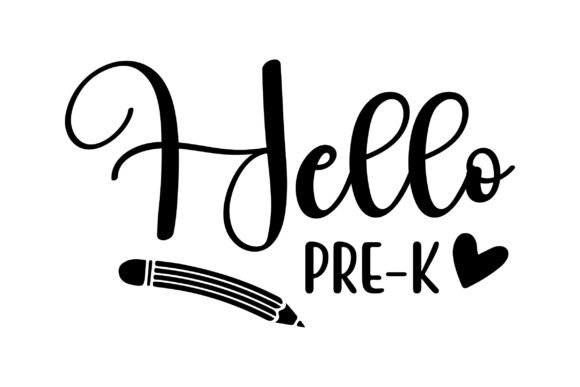
pWhen I first opened the Hello Pre-k design file, I immediately got that warm, welcoming vibe. It’s the kind of design that feels like a gentle hug—perfect for baby items, kids’ apparel, or boutique-style gifts. The layout is clean and balanced, with soft curves and a slightly whimsical font that reads as both friendly and professional. It’s not overly detailed, which is a big plus when it comes to embroidery, where too much intricacy can backfire on certain fabrics or machines. From a design standpoint, this one feels like it was thoughtfully built for real-world use, not just digital showmanship./p
h2Real-World Use: Where Hello Pre-k Shines/h2
pI recently worked on a custom embroidered tote bag for a local boutique, and I tested Hello Pre-k on a few fabric types to see how it would hold up. On a medium-weight cotton canvas, it stitched beautifully—clean satin outlines and smooth fill stitches. The lettering was crisp, and even at a smaller size, it remained legible without looking cramped. I also tried it on a lightweight baby onesie, and while I had to adjust stabilizer layers slightly, the result was still soft and wearable./p
pThis design works well across a range of products: from sweatshirts and t-shirts to aprons and pillow covers. It has a universal charm that makes it a go-to for personalized gifts, especially around baby showers or back-to-school seasons. I can easily see Etsy sellers using this in listings for custom nursery decor or boutique baby tees. The design’s simplicity also makes it ideal for commercial embroidery projects where you want a clean, recognizable look without overwhelming the garment./p
h2Performance Check: Stitching Clarity and Fabric Behavior/h2
pOne of the first things I check with any embroidery design is stitch density. Hello Pre-k handles this well—there’s enough coverage to look solid, but not so much that it risks puckering on thinner fabrics. That said, I’d recommend a lightweight stabilizer for stretchy knits or baby rib fabrics to prevent distortion around the letters./p
pI also tested the design on a dark fabric background using a white thread. The contrast was strong and the edges held up well, making it a solid option for both light and dark garments. However, if you’re planning to use it on textured fabrics like towels or thick felt, you may want to test on a scrap first—especially if you're aiming for fine detail in the corners of the letters./p
h2Where to Use Hello Pre-k Carefully/h2
pWhile this design is quite forgiving, there are a few situations where you’ll want to proceed with caution. For example, if you're working with a very small hoop size, Hello Pre-k might feel a bit cramped unless you resize it carefully. I noticed that shrinking it too much caused some of the inner curves to close slightly, making the design less crisp./p
pIt’s also something to be mindful of on curved surfaces like caps or mugs. You’ll need to hoop carefully and possibly adjust tension to avoid distortion. And while the design holds up well on flat, stable fabrics, I’d avoid using it on highly stretchy or sheer materials without testing first. In those cases, the satin stitches might pull or create a shadow effect on the reverse side./p
h2Design Impact: Visual Appeal and Customer Perception/h2
pFrom a business perspective, Hello Pre-k adds a touch of charm and professionalism to any product it’s applied to. Whether it’s stitched onto a boutique tote or a personalized baby blanket, it gives the impression of thoughtful craftsmanship. For Etsy sellers or small shop owners, that’s huge—it’s the kind of design that elevates a handmade item into something gift-worthy./p
pI also tested a black-and-white mockup for a client who wanted a minimalist look for their new line of embroidered sweatshirts. The design translated beautifully, maintaining its visual identity without any color distractions. That kind of flexibility is key when you're building a cohesive brand or creating a product that needs to fit multiple color themes./p
pHere are a few quick tips I’ve picked up while working with Hello Pre-k:
ul
liAlways test on scrap fabric before stitching your final product, especially if you're using a new stabilizer or thread type./li
liVerify hoop size compatibility in your machine before starting./li
liIf you're using it for commercial embroidery, confirm licensing terms to ensure you're allowed to sell finished items./li
liResize carefully—don’t push it too small or too large without checking how the details hold up./li
/li
/h2
h2Final Thoughts: A Solid Addition to Your Embroidery Toolkit/h2
pHello Pre-k isn’t just another cute design—it’s a practical, versatile asset for any embroidery business or personal project. It balances charm with functionality, making it a reliable choice for everything from baby embroidery to boutique apparel. Whether you're a digital product seller prepping a new T-shirt design or a craft business owner creating custom embroidered gifts, this one earns its keep./p
pIf you’re looking for a clean, professional, and adaptable embroidery file that works across multiple use cases, Hello Pre-k deserves a spot in your collection. Just remember to test, adjust, and always stitch with intention./p